
Wildfires rage in North America, Canadian rail services are blocked, and the Port of Vancouver faces delay risks
Date:2024-07-31 14:27:00 View:
According to the latest report from CCTV.com, wildfires have occurred frequently in the United States and Canada recently, and the fires spread rapidly and are difficult to control. In the United States, more than 100 large wildfires are still burning; in neighboring Canada, the situation is even more serious, with a total of 868 forest fires raging.
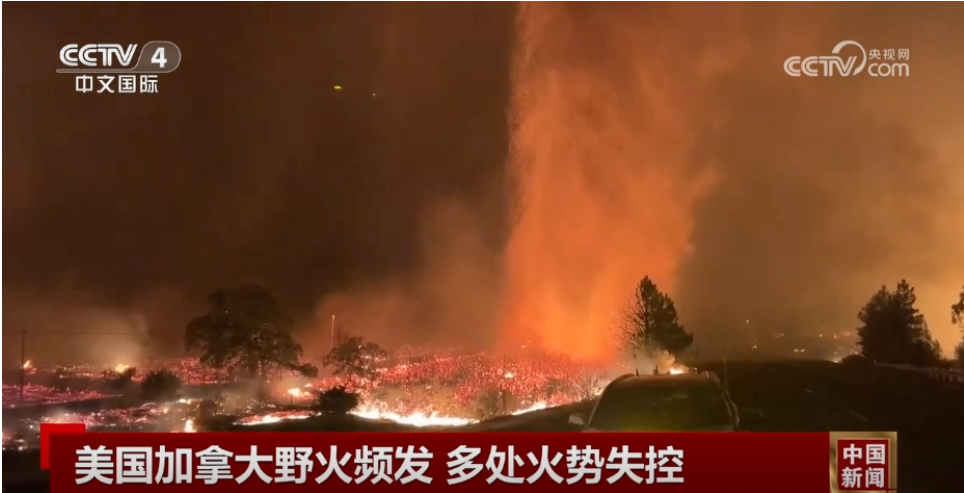
In this wildfire disaster, the town of Jasper in Alberta, Canada suffered a severe blow from extreme wildfires, and many facilities including railway infrastructure were severely damaged.
According to an announcement released by freight forwarding giant Kuehne + Nagel, the wildfire forced the Canadian National Railway (CN) to suspend its main line service in Jasper, which directly affected the transportation of goods to the Port of Vancouver.
After emergency repairs and assessments, the railway line resumed operations on July 26, but the trains were released in stages to ensure safety. The Port of Vancouver has initiated a plan to deal with the train backlog, and the railway company is deploying special firefighting trains, equipment and personnel to continue fire mitigation and prevention work.
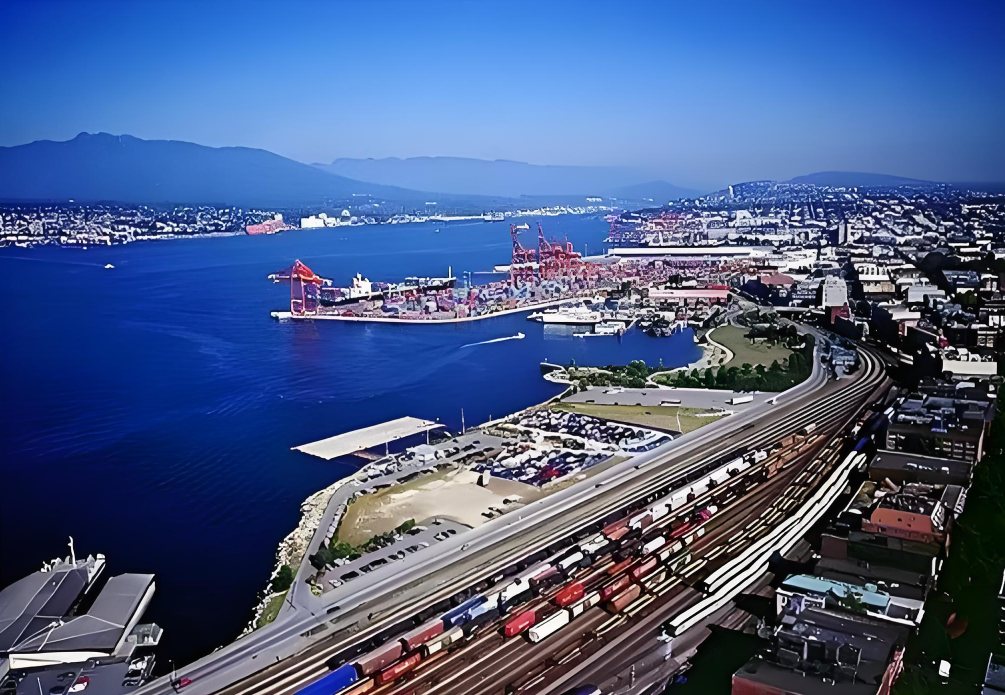
Although the Port of Vancouver itself was not directly affected by the wildfires, due to the temporary interruption of railway services, ship delays and a surge in anchorage demand are expected in the next few days. As of July 29, the average waiting time for ships at the Port of Vancouver was 1.22 days, and ships were already waiting for berths at anchorages.
In view of this, shippers and freight forwarding companies are reminded to pay close attention to the node information of cargo transportation and flexibly adjust transportation plans to avoid economic losses caused by delays.
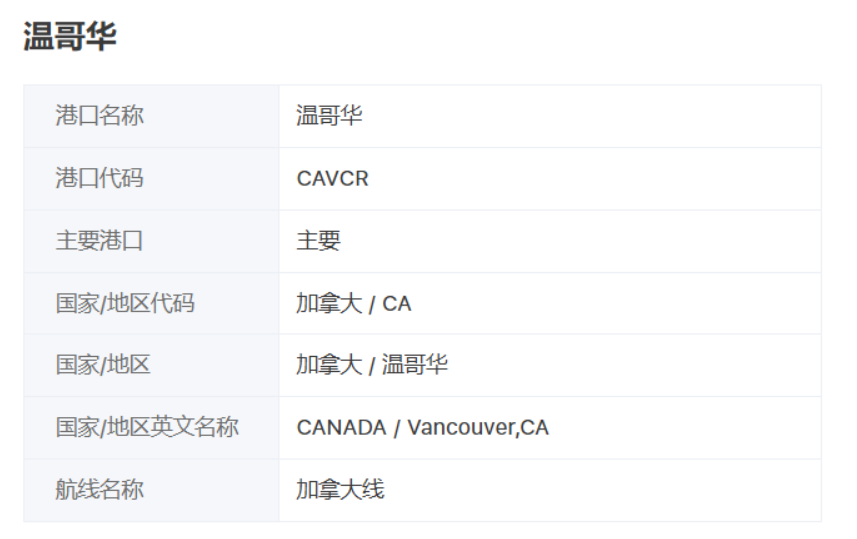
The Port of Vancouver is Canada's largest port, located at the mouth of the Fraser River at the southern end of British Columbia in southwestern Canada, in Ballard Bay. About 90% of Canada's trade passes through the Port of Vancouver, and about 15% of US imports and exports are transported through the Port of Vancouver each year.
In addition, ports on the west coast of Canada are also facing the potential threat of strikes. The International Longshore and Warehouse Union of Canada (ILWU Canada) is holding strike votes at ports across British Columbia over its dispute with DP World Canada.
According to the British Columbia Maritime Employers Association (BCMEA), the ILWU has notified all parties of its intention to hold an industry-wide strike vote in the coming weeks, with the results expected to be announced no later than August 9.
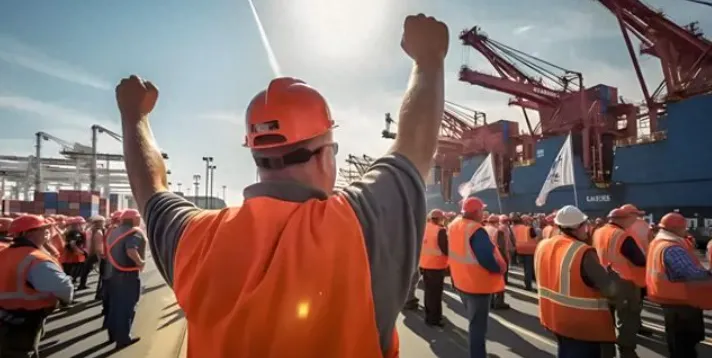
Once the strike vote is passed, the ILWU will announce a specific strike action plan within 72 hours. This can't help but recall a similar incident in July last year, when a strike by ILWU Canada members paralyzed Canada's west coast ports for 13 days, which was eventually resolved with government intervention.
Therefore, for shippers who have recently exported goods to Canada, especially the Port of Vancouver, it is particularly important to pay close attention to port dynamics and flexibly respond to potential risks. Timely adjust transportation plans to ensure that goods can be shipped smoothly and reduce losses caused by force majeure.