
A big turning point in the shipping market: Freight rates have stopped rising continuously, many routes have fallen, and the West-US route has cooled significantly!
Date:2024-07-18 14:20:00 View:
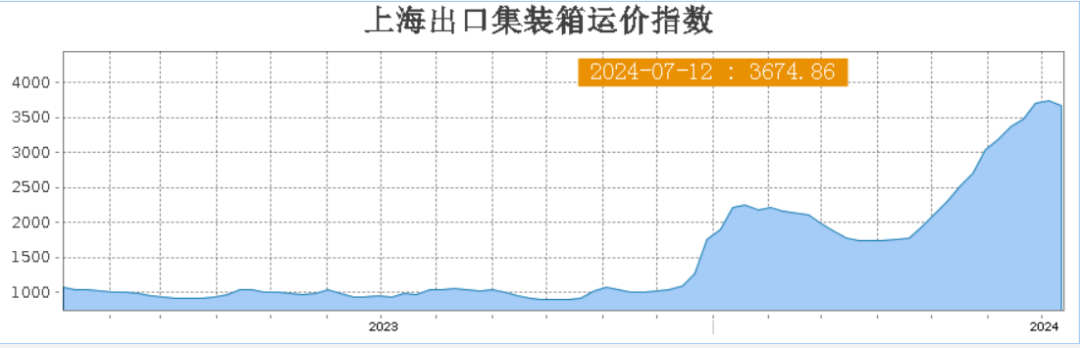
On July 12, the latest data released by the Shanghai Shipping Exchange showed that the Shanghai Export Container Comprehensive Freight Index (SCFI) was 3,674.86 points, down 1.6% from the previous week, marking the official end of the previous 13 consecutive weeks of upward trend.
In this freight rate adjustment, the performance of each route showed obvious differentiation. European routes continue to maintain an upward trend. The market freight rate (including sea freight and surcharges) exported from Shanghai Port to European basic ports reached 5,051 US dollars/TEU, an increase of 4.0% from the previous period, showing the continued strong demand in the European market.
However, the Mediterranean route fell slightly. The market freight rate for exports from Shanghai Port to the basic Mediterranean port was US$5,424/TEU, a slight decrease of 0.1% from the previous period, indicating that the market supply and demand relationship on this route has tended to be balanced.
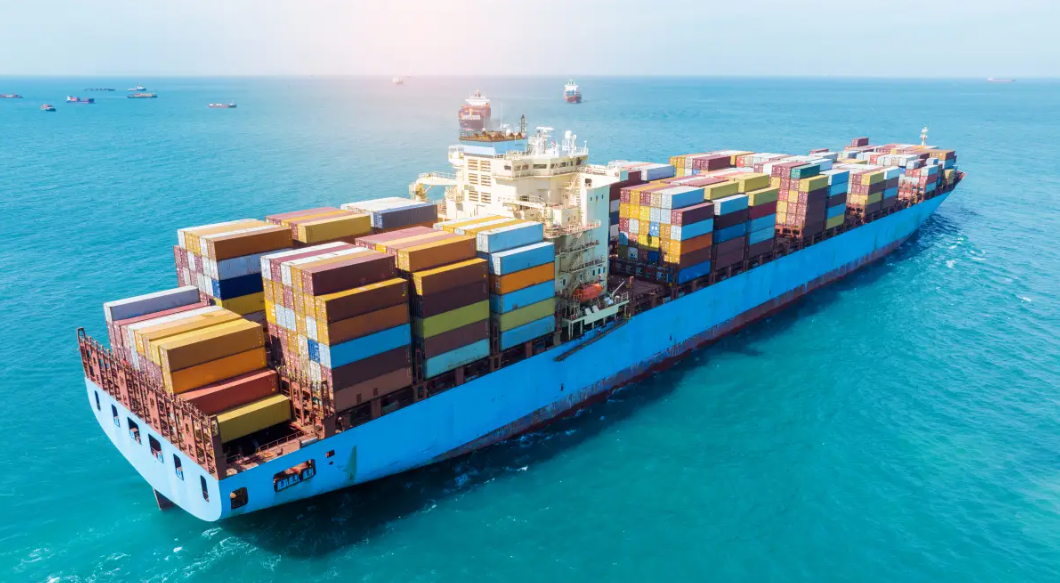
In contrast, freight rates on the US line have declined significantly, becoming the focus of this adjustment.
The market freight rates exported from Shanghai Port to basic ports in the West and East US were US$7,654/FEU and US$9,881/FEU respectively, down 5.5% and 0.6% respectively from the previous period.
In particular, the US-Western route has experienced a sharp decline. This is mainly due to the recent launch of new routes and overtime ships by many shipping companies such as MSC, ONE, and ZIM. The investment in new shipping capacity has effectively alleviated market pressure, coupled with weakening demand. As a result, freight prices have dropped significantly.
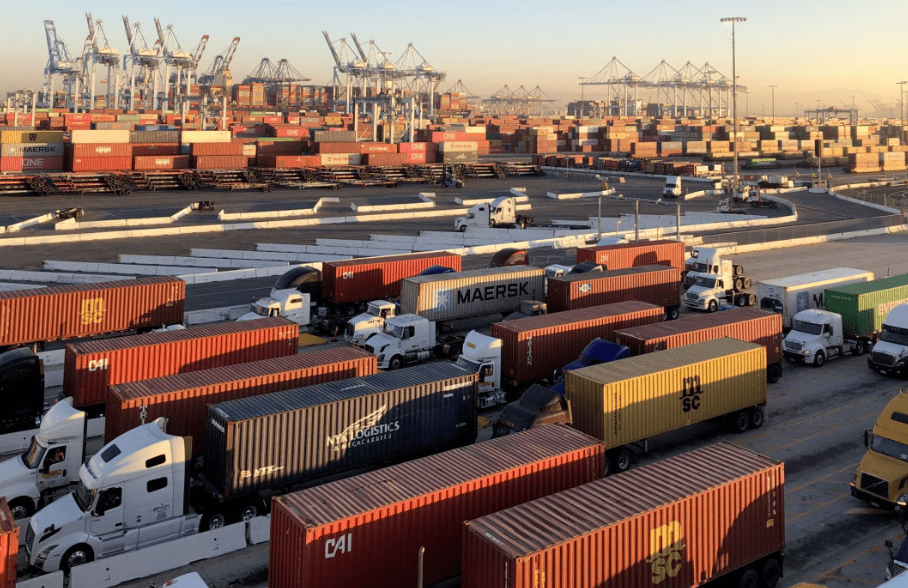
It is worth noting that the May container throughput data released by the two major ports in the West, the Port of Los Angeles and the Port of Long Beach, also reflect market changes.
The container throughput of the Port of Los Angeles in May was 752,893TEU, a year-on-year decrease of 3%, but the total throughput in the first five months increased by 18% year-on-year, showing a certain degree of volatility.
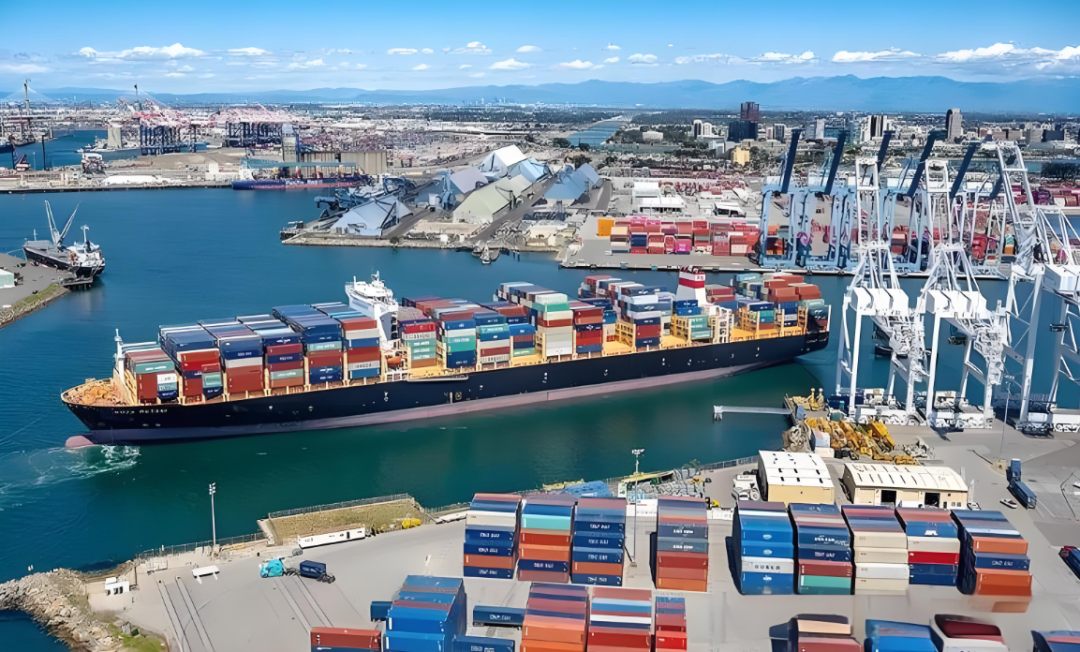
The container throughput of Long Beach Port in May was 695,937TEU, a year-on-year decrease of approximately 8%. The total throughput in the first five months was 3,449,181TEU, a year-on-year increase of 10%, which also shows the complex trend of market adjustment.
This freight rate adjustment not only reflects the dynamic changes in the market, but also indicates that the shipping industry is entering a new adjustment stage. In the future, with the further balance between market supply and demand and the continued investment in new shipping capacity, freight rates may continue to fluctuate and adjust.