
Singapore Port is congested! Terminal utilization rate has reached 90%25!
Date:2024-06-28 14:02:00 View:
Singapore Port: The challenge of port congestion in the global shipping center
On the grand stage of global shipping, the Port of Singapore has always played a vital role with its excellent service and efficient operational capabilities.
However, a series of recent events have brought unprecedented challenges to this once-competent shipping hub. The Port of Singapore, a major shipping route connecting Europe, the Middle East and China, is now experiencing an unprecedented port congestion crisis.
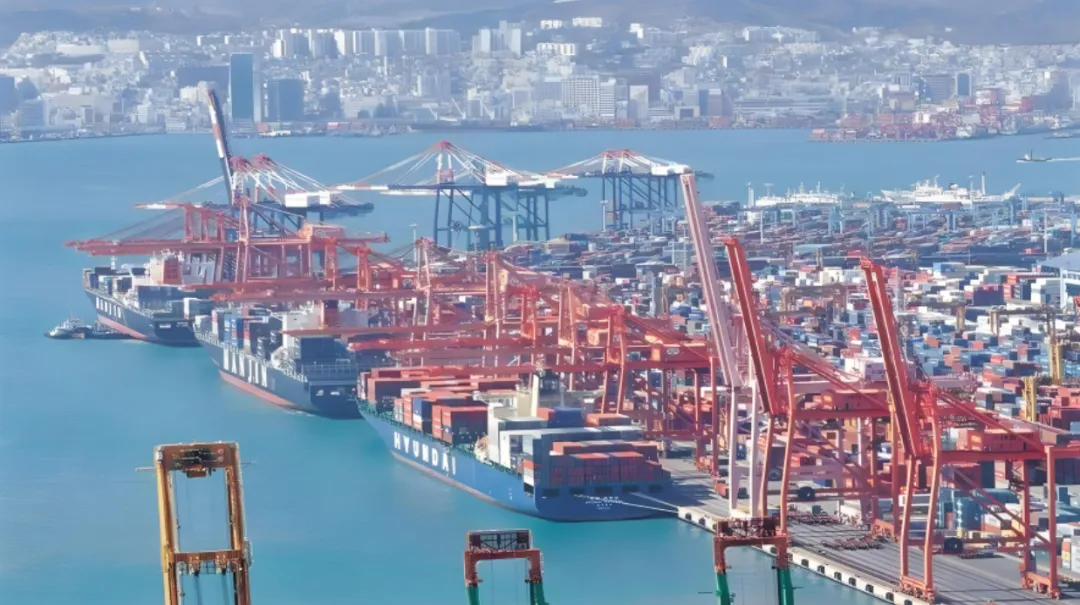
The Red Sea crisis has become the fuse of this port congestion problem. The attack on merchant ships by the Yemeni Houthi armed forces in the Red Sea not only threatens the safety of navigation, but also forces shipping companies to adjust their routes to avoid the Suez Canal, an important shipping channel.
A large number of cargo ships choose to sail around the Cape of Good Hope in southern Africa, which undoubtedly increases the voyage distance and cost, and also makes Singapore Port a must-pass place for these ships.
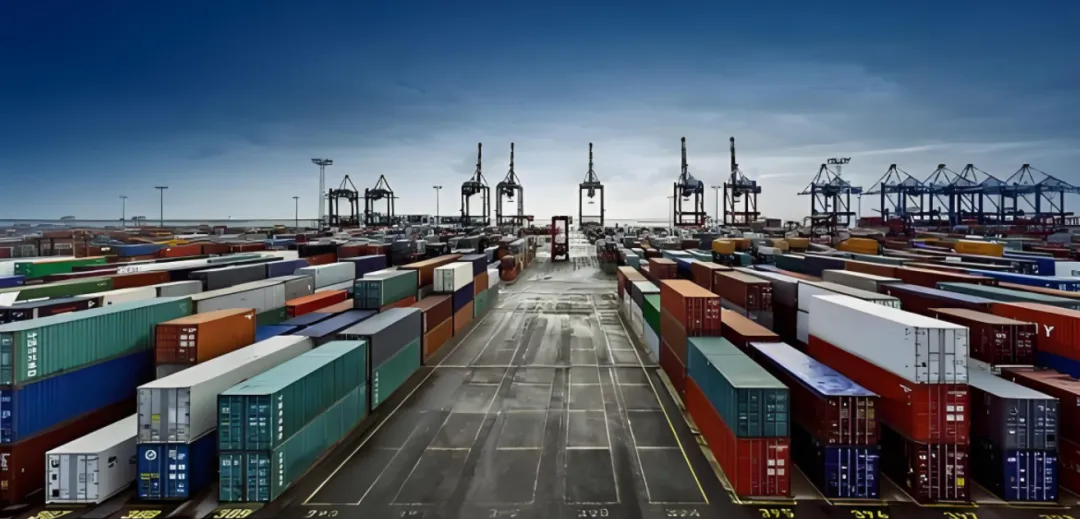
With the influx of cargo ships, the terminal utilization rate of Singapore Port has risen rapidly.
Drewry's head of maritime services pointed out that the utilization rate of Singapore's container terminals is close to 90%, which is far higher than its optimal utilization rate of 70%. This means that the terminal's operation has reached its limit and any additional ships arriving may cause more serious congestion.

Statistics show that the container throughput of Singapore Port in the first five months of this year has reached 16.9 million TEUs, an increase of 8% year-on-year. Behind this figure are the long waits and endless anxiety of countless cargo ships at sea.
Due to port congestion, cargo ships are unable to enter the port on time, resulting in significant delays in freight schedules and increasing pressure on freight rates.。
The HSBC analyst team predicted in the report that since the port congestion problem is difficult to solve in the short term, the spot price of sea freight may continue to rise.
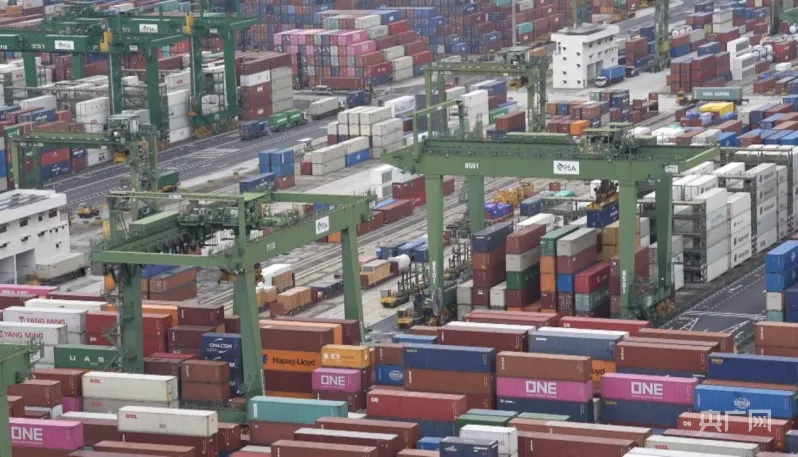
According to Drewry's data, 44 container ships had to wait in line for four days at sea last month before entering the port. This number is compared with 14 container ships in January this year, and the congestion situation has increased significantly.
This not only increases the operating costs of shipping companies, but also brings great instability to the global supply chain.
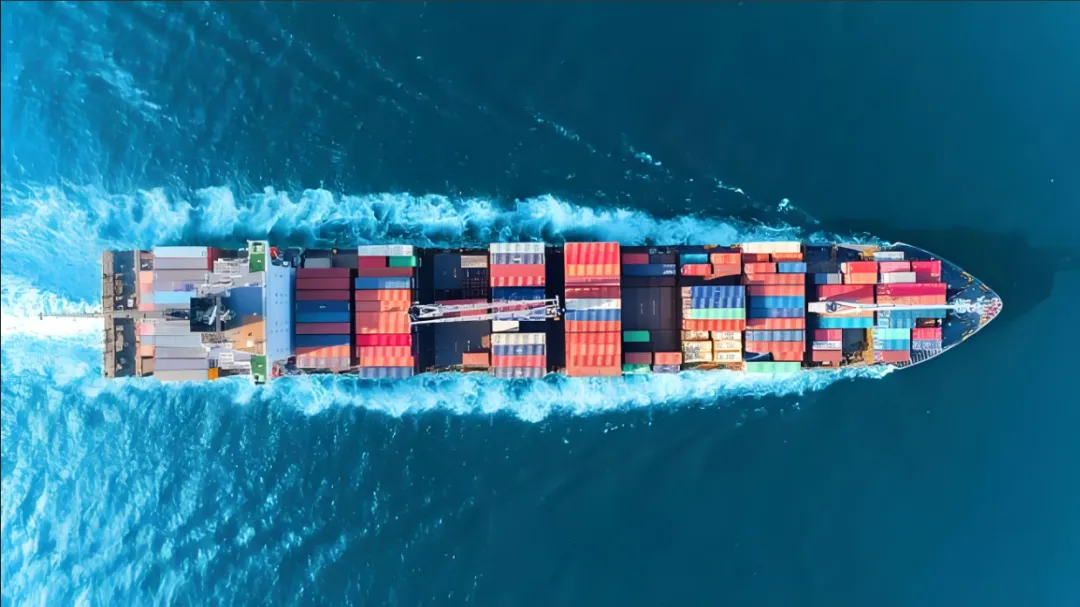
This port congestion crisis is not only a test for the Port of Singapore, but also a major challenge to the global shipping market.
How to ensure navigation safety while improving port operation efficiency has become a difficult problem facing the global shipping industry. As the center of this challenge, the future direction of Singapore Port has also attracted much attention.