
The global shipping industry has fallen into the Red Sea crisis, and the capacity is tight and the freight rates have soared!
Date:2024-06-06 14:01:00 View:
As the situation in the Red Sea region continues to escalate, the global shipping industry is facing unprecedented challenges. Against the backdrop of high demand, global shipping capacity continues to be tight, and freight rates on many routes have risen sharply, putting many companies under great pressure. At present, ship shortages and tight container supply have become the norm, and even ports are overwhelmed.
According to the latest report released by Bank of America, port congestion has continued to worsen since March this year, resulting in a reduction of more than 2% in the supply of container ships. Singapore, Dubai and the Mediterranean region have become the main hotspots of congestion, while the supply of container space in Asia remains tight.
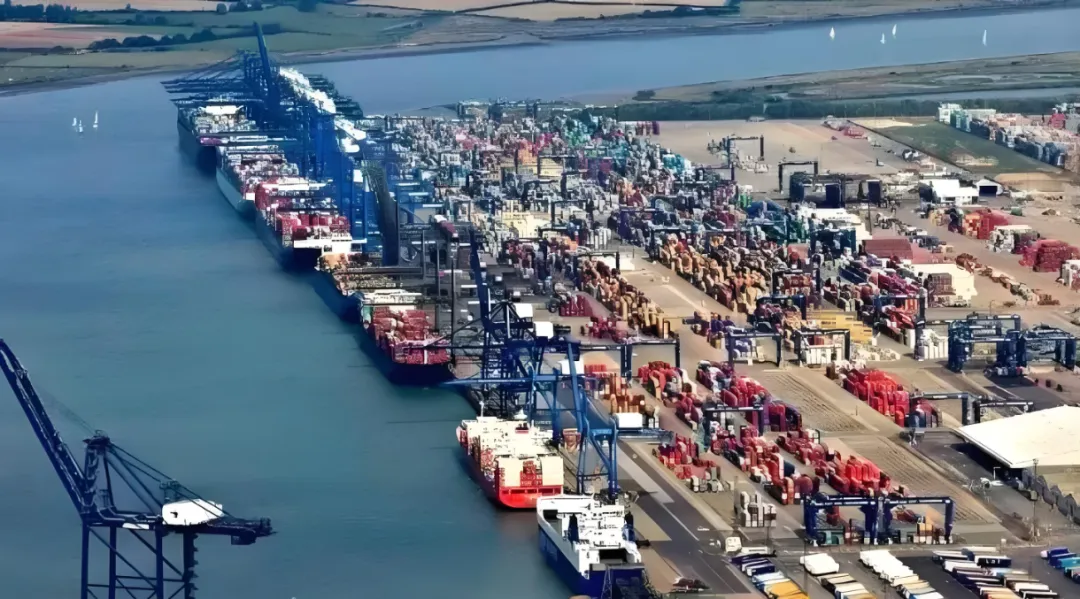
In particular, the Port of Singapore, as the world's second largest container port, has a backlog of containers that has reached an astonishing 450,000 TEUs, far exceeding several peaks during the outbreak of the COVID-19 pandemic, and port berthing delays have been extended to 7 days.
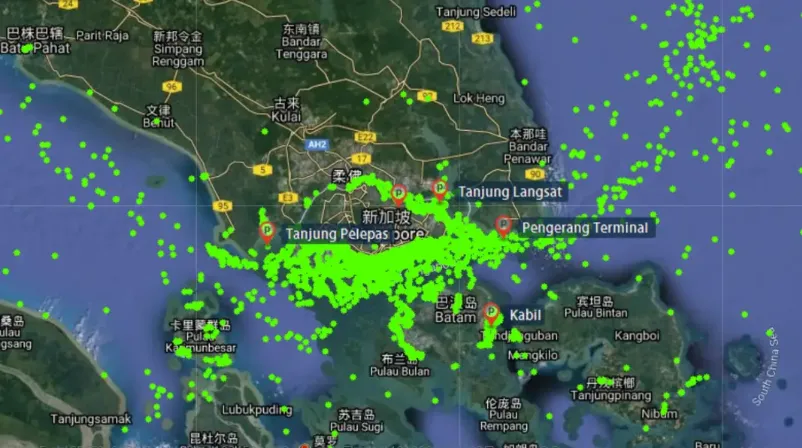
Port congestion in Asia is particularly serious, with Southeast Asian ports accounting for 26% of global port bottlenecks and Northeast Asian ports accounting for 23%. Many Asian ports, including Shanghai, Qingdao, Port Klang and Colombo, have also experienced varying degrees of congestion.
Shipping giant Maersk announced on June 3 that severe congestion at major ports in the Mediterranean and Asia has caused serious delays in its shipping schedules. As a result, Maersk had to cancel some routes to cope with the current difficulties.
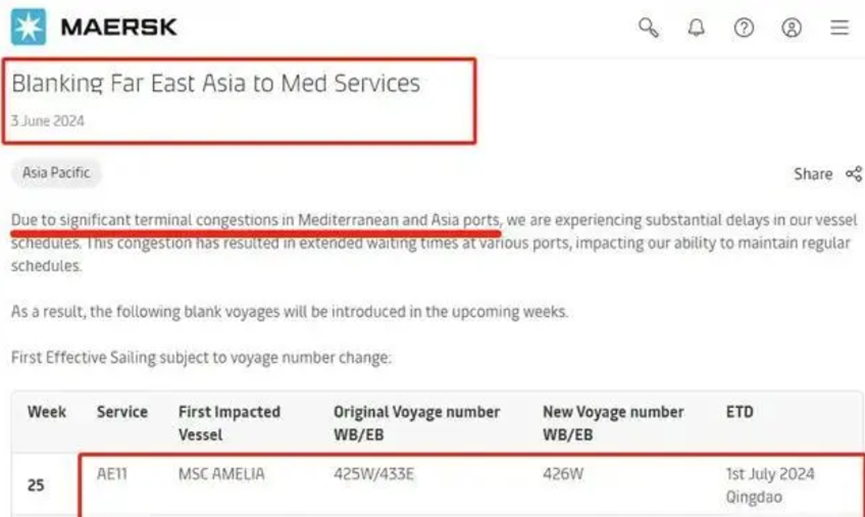
At the same time, Mediterranean Shipping Company (MSC), the world's largest container liner company, has also begun to seek new transshipment strategies, using ports such as Kamaragarh and Visakhapatnam in India for transshipment business.
In order to deal with the urgent problem of container backlog, the Port of Singapore has reactivated the old berths and yards previously dumped at Keppel Terminal and increased human resources input at the same time. In addition, Singapore Tuas Port will also put into operation three new berths on the basis of the existing eight berths to improve the overall port handling capacity.
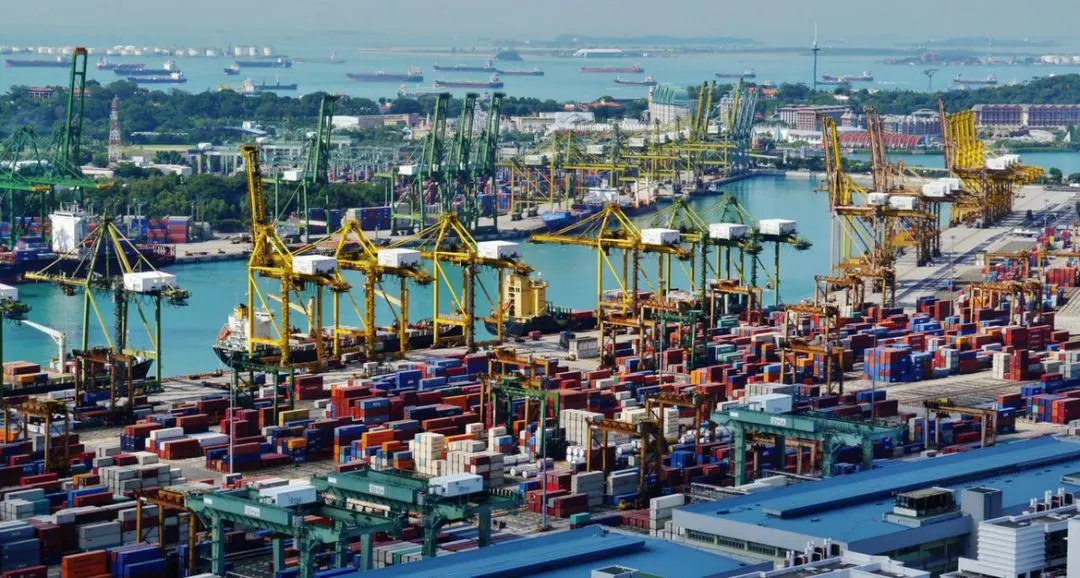
Analysts believe that the Red Sea crisis is the "culprit" of this round of major ship congestion. Congestion caused by container availability has begun to appear in northern Chinese ports, which is closely related to the disruption in the Red Sea region.
If the situation in the Red Sea does not improve, this bad situation may continue for some time and freight rates will continue to be pushed up.